Poison Ivy Removal in Lancaster, PA
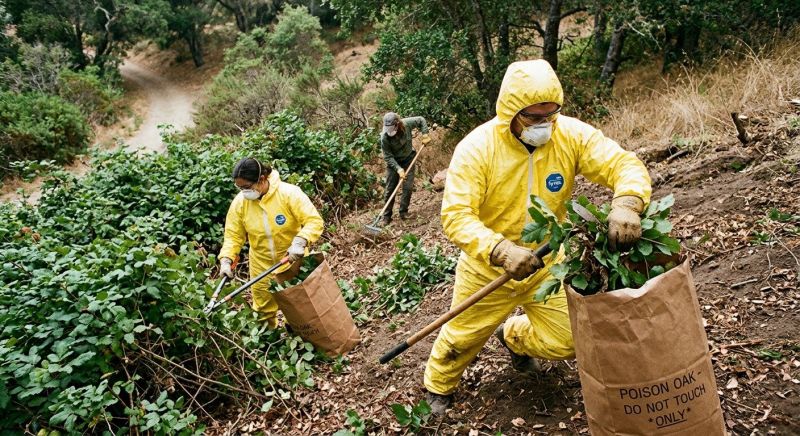
Poison ivy removal services are designed to safely eliminate this common and often troublesome plant from residential properties. These services typically cover a range of projects, including clearing overgrown areas, removing poison ivy from trees, fences, and shrubs, and restoring yard safety for families and pets. Property owners often seek these services to prevent skin irritation, allergic reactions, and to maintain a healthy, attractive outdoor space. Before requesting poison ivy removal, it’s helpful to understand the extent of the growth, the locations where the plants are found, and any specific safety concerns related to nearby structures or vegetation.
Understanding the scope of the project is essential for property owners considering poison ivy removal. It’s important to identify whether the plant is in hard-to-reach areas or in close proximity to children’s play zones, gardens, or outdoor living spaces. Clarifying these details can help determine the best approach for removal, whether through targeted trimming, herbicide application, or complete eradication. Proper assessment ensures that the removal process is effective and minimizes risks to surrounding plants and property features.
Many property owners in Lancaster, PA look into Poison Ivy Removal for repairs, replacements, upgrades, and appearance-related improvements.
Understanding Poison Ivy
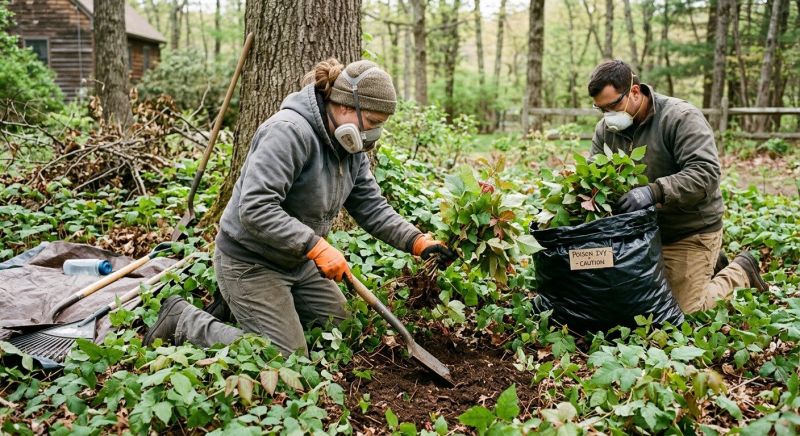
Identifying poison ivy on residential and commercial properties in lancaster helps prevent skin irritation and plant spreading.
Removal Techniques
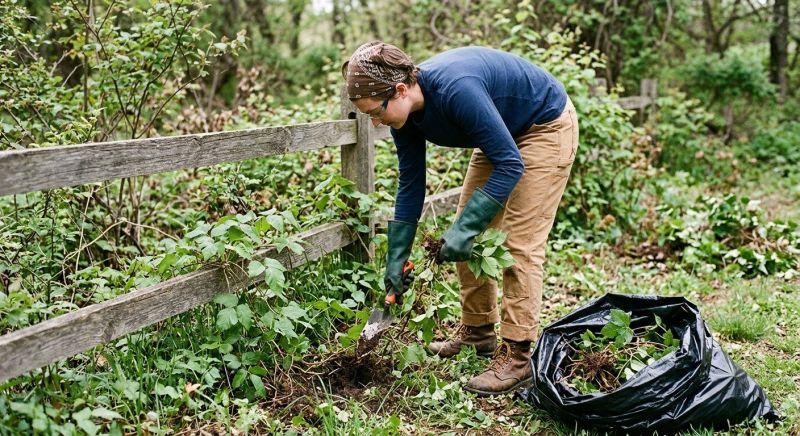
Effective removal methods ensure safe and thorough clearing of poison ivy from yards, fences, and landscape features.
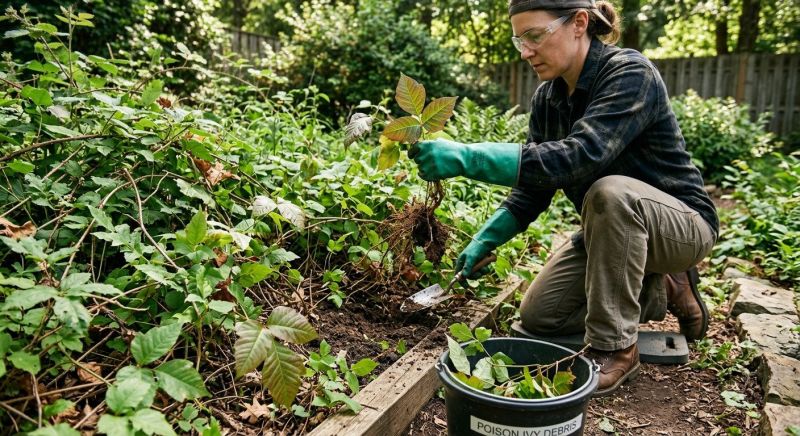
Property Safety Tips
Proper management of poison ivy reduces the risk of contact and protects families and pets on lancaster-area properties.
Poison Ivy Removal in Lancaster, PA
Poison ivy removal services are designed to safely eliminate this common and often troublesome plant from residential properties. These services typically cover a range of projects, including clearing overgrown areas, removing poison ivy from trees, fences, and shrubs, and restoring yard safety for families and pets. Property owners often seek these services to prevent skin irritation, allergic reactions, and to maintain a healthy, attractive outdoor space. Before requesting poison ivy removal, it’s helpful to understand the extent of the growth, the locations where the plants are found, and any specific safety concerns related to nearby structures or vegetation.
Understanding the scope of the project is essential for property owners considering poison ivy removal. It’s important to identify whether the plant is in hard-to-reach areas or in close proximity to children’s play zones, gardens, or outdoor living spaces. Clarifying these details can help determine the best approach for removal, whether through targeted trimming, herbicide application, or complete eradication. Proper assessment ensures that the removal process is effective and minimizes risks to surrounding plants and property features.
Many property owners in Lancaster, PA look into Poison Ivy Removal for repairs, replacements, upgrades, and appearance-related improvements.
Common Poison Ivy Removal Jobs
Poison Ivy Removal Services - effective removal of poison ivy from residential and commercial properties.
Property Clearing - safe elimination of poison ivy from lawns, gardens, and landscape beds.
Trail and Pathway Clearing - removal of poison ivy along walkways and outdoor recreational areas.
Fence Line and Boundary Clearing - eradication of poison ivy along property borders and fences.
Tree and Shrub Removal - careful removal of poison ivy growing on or near trees and shrubs.
Yard and Garden Maintenance - ongoing management to prevent poison ivy regrowth and spread.
Poison Ivy Removal Questions
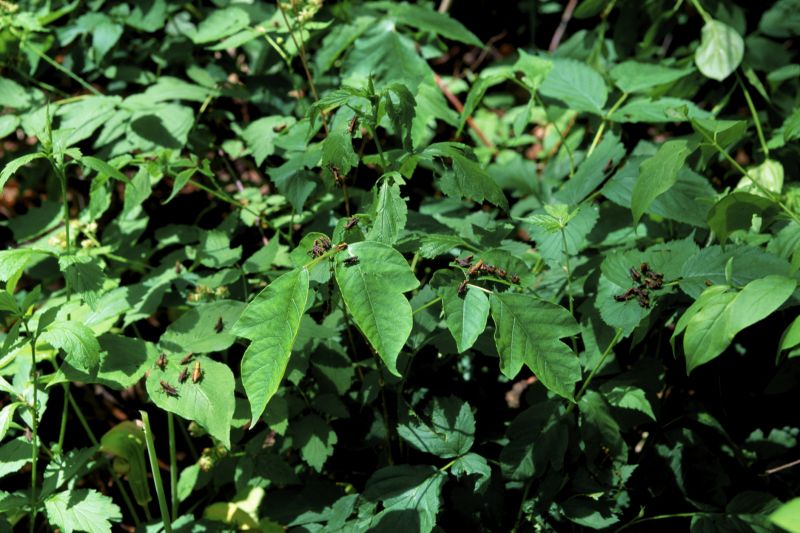
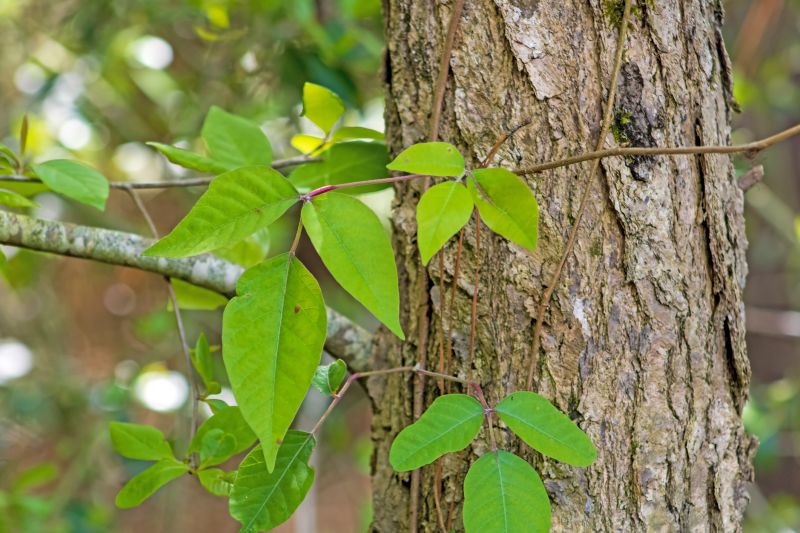
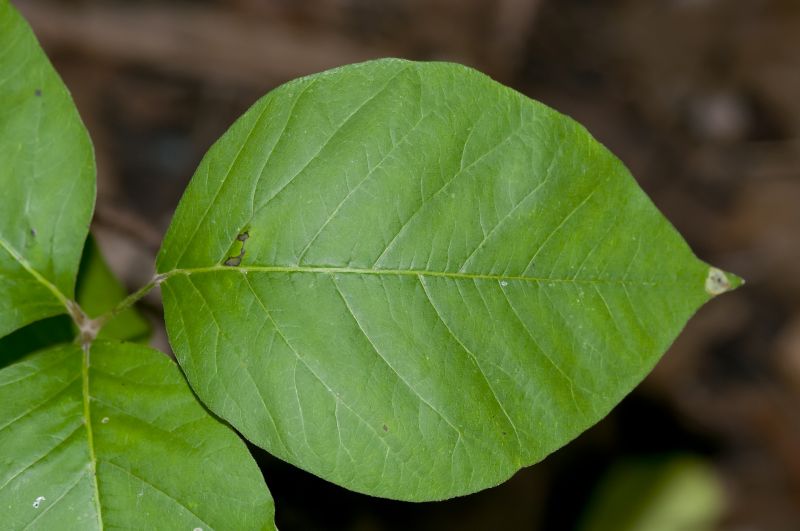
What are the signs of poison ivy on a property? Common signs include clusters of three leaflets with a shiny or matte surface, often growing along fences, trees, or ground cover.
Is it safe to remove poison ivy myself? Removal can be risky due to the plant's skin-irritating oils; professional removal is recommended for safety and thoroughness.
What methods are used for poison ivy removal? Techniques typically involve manual removal, herbicide application, or a combination of both to ensure complete eradication.
Will poison ivy regrow after removal? Without proper removal and treatment, poison ivy can regrow; ongoing monitoring may be necessary to prevent re-establishment.
Request Poison Ivy Removal in Lancaster, PA
Use the quote form on this page to share the basics of your project and request more information for the type of work you need.